




Čertkus luční ⁕ Succisa pratensis
Čertkus luční je půvabná vytrvalá bylina z čeledi štětkovitých, která zdobí vlhké evropské louky svými modrofialovými květy. Nejcharakterističtějším znakem čertkusu je jeho podzemní část. Má krátký tlustý oddenek, který vypadá, jako by byl na konci ukousnutý nebo useknutý (odtud název „čertkus“ – čert si ukousl kus kořene). Botanické jméno Succisa pochází z latinského „succisus“ (useknutý, podťatý). Rostlina je původem z Evropy, severní Afriky a západní Asie. Roste na slunných až polostinných stanovištích, na vlhkých loukách, rašelinných loukách, pastvinách a v příkopech. V České republice je čertkus luční běžný, ale v některých intenzivně obhospodařovaných oblastech ubývá.
Účinky na zdraví
Léčivé účinky čertkusu lučního jsou dány obsahem tříslovin, saponinů, hořčin, silic a iridoidů. Tyto látky mu propůjčují protizánětlivé, stahující (adstringentní) a mírně antiseptické vlastnosti. Sbírá se nať nebo kořen. Obklady z nálevu urychlují hojení ran, vředů, kožních zánětů, ekzémů, akné a zmírňují otoky. Pomáhají také zastavit drobné krvácení. Odvar slouží jako účinné kloktadlo při bolestech v krku, angíně, zánětech dásní a aftách. Vnitřně se používá při mírných zažívacích potížích, průjmech, zánětech žaludku a střev, kde stahující účinek tříslovin pomáhá zklidnit podrážděnou sliznici. V moderní fytoterapii je čertkus využíván spíše okrajově, často ve směsích s jinými rostlinami.
Zajímavosti
V minulosti byl čertkus považován za magickou bylinu, která měla chránit obyvatelstvo před zlými duchy a démony. Květy čertkusu jsou velmi atraktivní pro opylovatele, kteří nacházejí v květenstvích bohatý zdroj nektaru po celé léto. Přítomnost čertkusu na louce spolehlivě ukazuje, že jde o vlhké stanoviště či mokřadní louku. V minulosti byla bylina pokládána za „všelék“ a používala se k léčbě mnoha nemocí, včetně moru a syfilidy. Mladé výhonky rostliny jsou jedlé a lze je přidávat do jarních salátů. Čertkus luční je známý rovněž pod lidovými názvy bylina svatého Petra, čertikus, čertovo kousnutí, prostřelenec či satanův kořen.
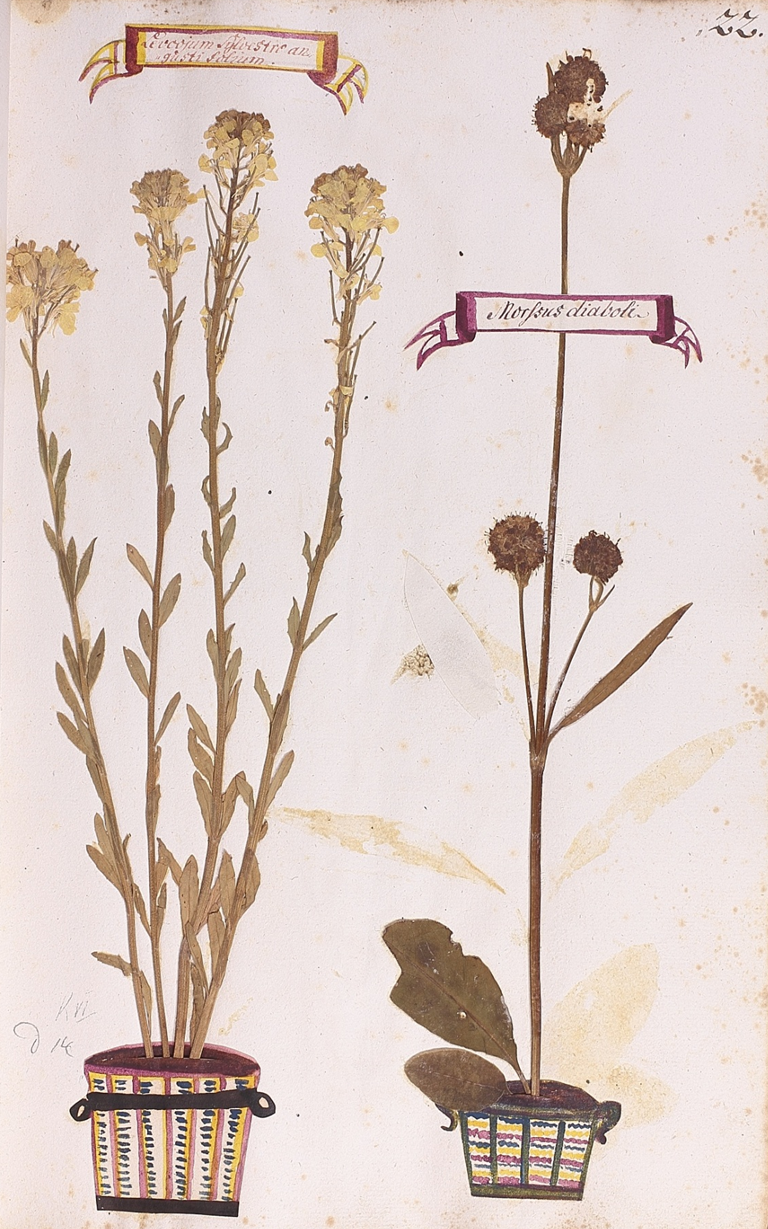

Devil’s-bit scabious (Succisa pratensis)
Devil’s-bit scabious is a charming perennial plant belonging to the honeysuckle family (Caprifoliaceae), which graces wet European meadows with its bluish to violet flowers. Its most characteristic part is what is underground: devil’s-bit scabious has a taproot which thickens in the first year but then dies off, leaving a stump that looks as if someone bit a part of it off. This gave rise to the name ‘devil’s bit’ and inspired also the botanical name Succisa, which means ‘cut down’ or ‘truncated’. The plant is native to Europe, north Africa, and western Asia. It grows in sunny to partly shaded locations, wet meadows, peat meadows, pastures, and in ditches. In the Czech Republic, devil’s-bit scabious is common, although in some areas of intensive agriculture its populations are declining.
Health Benefits
The medicinal effects of devil’s-bit scabious are determined by the tannins, saponins, bitters, and iridoids the plant contains. They endow it with anti-inflammatory, astringent, and mildly antiseptic effects. What is collected are either the leaves and stem or the root. Infusions accelerate the healing of wounds, ulcers, skin inflammations, eczemas, acne, and swellings. They also help stop minor bleeds. Infusion prepared from devil’s-bit scabious is an effective gargle used for sort throat, gum inflammation, and mouth ulcers. Internally, the infusion can be used to settle mild digestive problems, diarrhoea, and inflammations of the stomach and intestines, where the astringent effect of tannings helps soothe the irritated mucous membranes. In modern phytotherapy, devil’s-bit scabious is used only marginally, mostly in mixtures containing other herbs.
Interesting Facts
In the past, devil’s-bit scabious was believed to be a magical plant that protects people from evil spirits and demons. The flowers of devil’s-bit scabious are highly attractive for pollinators because they provide a rich source of nectar throughout the summer. The presence of this plant in a meadow reliably shows that it is a wet or even boggy location. In the past, devil’s-bit scabious was considered a sort of cure-all and was used to treat a very wide range of diseases including the plague and syphilis. Young shoots of this plant are edible and can be added to spring salads. Devil’s-bit scabious is also known simply as devil’s bit or, less frequently, as blue buttons, blue bonnets, angel’s pincushion, or bachelor’s buttons.